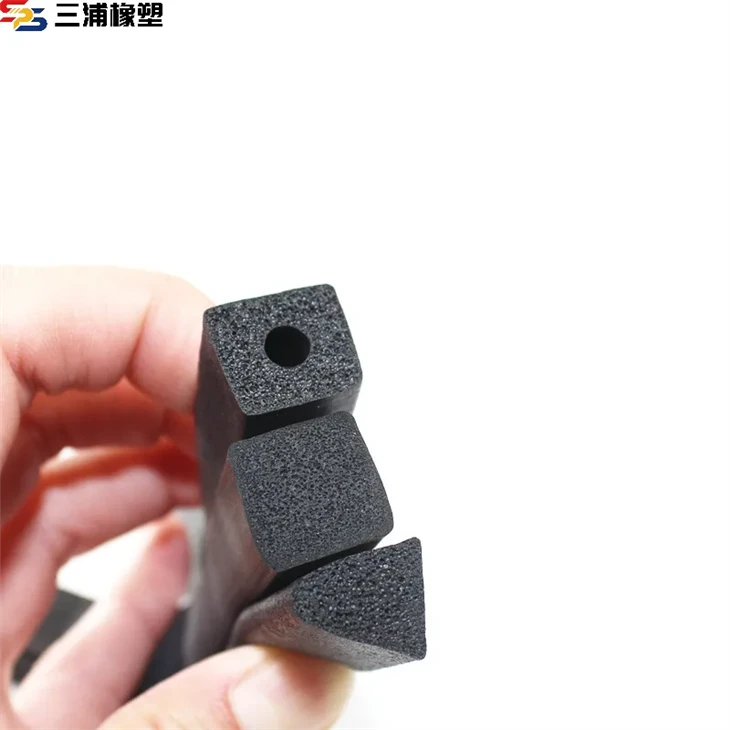
In the realm of materials science and environmental sustainability, the question of biodegradability has become increasingly crucial. As a supplier of square silicone sponges, I often encounter inquiries about the environmental impact of our products, particularly whether square silicone sponges are biodegradable. In this blog post, I will delve into the science behind silicone sponges, explore their biodegradability, and discuss the implications for our customers and the environment.
Understanding Silicone Sponges
Silicone sponges are a type of elastomeric material known for their unique properties, including high temperature resistance, flexibility, and chemical stability. They are commonly used in a wide range of applications, such as gaskets, seals, insulation, and cushioning. Square silicone sponges, in particular, are popular due to their versatility and ease of use in various industrial and commercial settings.
Silicone sponges are typically made from a mixture of silicone rubber and a blowing agent, which creates a cellular structure within the material. This cellular structure gives silicone sponges their characteristic softness and compressibility, making them ideal for applications where sealing or cushioning is required.
The Biodegradability of Silicone Sponges
To understand whether square silicone sponges are biodegradable, it is important to first define what biodegradability means. Biodegradability refers to the ability of a material to be broken down by natural processes, such as the action of microorganisms, into simpler substances that can be absorbed by the environment.
Silicone, the primary component of silicone sponges, is a synthetic polymer made up of silicon, oxygen, carbon, and hydrogen atoms. Unlike natural polymers, such as cellulose or starch, silicone is not readily biodegradable. This is because the chemical bonds in silicone are relatively strong and resistant to the enzymes and microorganisms that are responsible for breaking down organic materials.
In addition to its chemical structure, the manufacturing process of silicone sponges also contributes to their lack of biodegradability. The use of additives and cross-linking agents during the manufacturing process further enhances the stability and durability of silicone sponges, making them even more resistant to degradation.
Environmental Impact of Silicone Sponges
While square silicone sponges are not biodegradable, it is important to note that they do have several environmental benefits compared to other materials. For example, silicone is a non-toxic and hypoallergenic material, which means that it does not release harmful chemicals or pollutants into the environment. Additionally, silicone sponges have a long lifespan and can be reused or recycled, reducing the amount of waste generated.
Furthermore, the energy consumption and greenhouse gas emissions associated with the production of silicone sponges are relatively low compared to other materials, such as plastics or rubber. This is because silicone can be produced using a variety of methods, including extrusion and molding, which are relatively energy-efficient.
Recycling and Disposal of Silicone Sponges
Although square silicone sponges are not biodegradable, they can be recycled or disposed of in an environmentally responsible manner. Recycling silicone sponges involves breaking down the material into its component parts and reusing them to create new products. While the recycling process for silicone is still in its early stages, there are several companies that specialize in recycling silicone materials.
If recycling is not an option, square silicone sponges can be disposed of in a landfill. However, it is important to ensure that the sponges are properly packaged and labeled to prevent them from causing environmental contamination. Additionally, some landfills may have specific requirements for the disposal of silicone materials, so it is important to check with your local waste management facility before disposing of your sponges.
Conclusion
In conclusion, square silicone sponges are not biodegradable due to their chemical structure and manufacturing process. However, they do have several environmental benefits compared to other materials, including their non-toxicity, long lifespan, and low energy consumption. As a supplier of square silicone sponges, we are committed to promoting environmental sustainability and offering our customers products that are both high-quality and environmentally friendly.
If you are interested in learning more about our square silicone sponges or have any questions about their environmental impact, please do not hesitate to contact us. We would be happy to discuss your specific needs and provide you with more information about our products and services.
References
- "Silicone Rubber: Properties, Applications, and Processing." Handbook of Elastomers, edited by B. S. Reddy, CRC Press, 2013.
- "Environmental Impact of Silicone." Silicone Industry Association, accessed [date].
- "Recycling of Silicone Rubber." Journal of Elastomers & Plastics, vol. 47, no. 4, 2015, pp. 321-336.
Call to Action
If you're in the market for high-quality square silicone sponges, we invite you to explore our product range. We offer a variety of Closed Cell Silicone Sponge Extruded, China Silicone Sponge Rubber Extrusion, and Silicone Sponge Rubber Extrusions to meet your specific requirements. Contact us today to discuss your project and let's start a conversation about how our square silicone sponges can benefit your business.