

In the dynamic field of dental applications, the search for innovative and effective materials is a continuous journey. One such material that has been gaining attention is anti-static silicone foam. As a leading supplier of anti-static silicone foam products, including the Anti Static Silicone Foam Pad, Silicone Sponge Anti-Static Mat, and Silicone Foam Anti-Static Mat, I am often asked about the potential uses of anti-static silicone foam in dental settings. This blog post aims to explore this topic in depth, analyzing the properties of anti-static silicone foam and evaluating its suitability for various dental applications.
Understanding Anti-Static Silicone Foam
Before delving into its potential dental applications, it's essential to understand what anti-static silicone foam is and what makes it unique. Anti-static silicone foam is a specialized material that combines the beneficial properties of silicone foam with anti-static capabilities. Silicone foam is known for its excellent flexibility, resilience, and resistance to temperature, chemicals, and moisture. These properties make it a popular choice in a wide range of industries, from electronics to automotive.
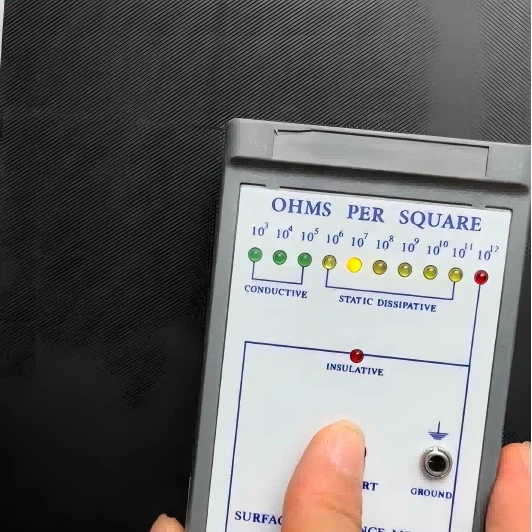
The anti-static feature of the foam is achieved through the incorporation of additives or conductive agents during the manufacturing process. These agents help to dissipate static electricity, preventing the build-up of charge on the surface of the foam. This is particularly important in environments where static electricity can cause damage to sensitive equipment, attract dust and debris, or pose a safety hazard.
Properties Relevant to Dental Applications
Biocompatibility
One of the most critical factors in dental applications is biocompatibility. The material used in contact with the oral cavity must not cause any adverse reactions, such as irritation, allergic responses, or toxicity. Silicone is generally considered to be highly biocompatible, which is why it is already used in many dental products, including dental impression materials, mouthguards, and orthodontic appliances. Anti-static silicone foam inherits this biocompatibility, making it a promising candidate for dental use.
Softness and Comfort
The oral cavity is a sensitive area, and patients require materials that are soft and comfortable to wear. Anti-static silicone foam has a soft, cushioned texture that can provide a comfortable fit, whether it is used in a dental appliance or as a lining material. Its flexibility allows it to conform to the shape of the mouth, reducing pressure points and improving patient comfort.
Resistance to Moisture and Chemicals
The oral environment is constantly exposed to saliva, which contains various enzymes and chemicals, as well as food and beverages. A material used in dental applications must be able to withstand these conditions without degrading or losing its properties. Anti-static silicone foam has excellent resistance to moisture and many common chemicals, ensuring its durability and performance in the oral cavity.
Anti-Static Properties
In dental applications, static electricity can cause problems such as attracting dust and debris, which can lead to poor hygiene and potential infection. The anti-static properties of anti-static silicone foam can help to prevent these issues, keeping the dental environment clean and reducing the risk of complications.
Potential Dental Applications
Dental Impression Materials
Dental impressions are used to create accurate replicas of the teeth and oral tissues. Anti-static silicone foam could potentially be used as an alternative or additive to traditional impression materials. Its softness and flexibility would allow for a more comfortable and accurate impression, while its anti-static properties would help to prevent the adhesion of dust and debris during the impression process.

Mouthguards and Orthodontic Appliances
Mouthguards are commonly used for sports protection, bruxism (teeth grinding), and orthodontic treatment. Anti-static silicone foam could be used to improve the comfort and performance of these appliances. The soft, cushioned material would provide a better fit and reduce the pressure on the teeth and gums. Additionally, the anti-static properties would help to keep the appliance clean and free from static-induced dust accumulation.
Dental Chair Cushions
Dental chair cushions play an important role in patient comfort during dental procedures. Anti-static silicone foam could be used to replace traditional cushion materials, offering better comfort, durability, and hygiene. Its anti-static properties would prevent the build-up of static charge, which could attract dust and make the cushion difficult to clean.
Isolation and Protection
In some dental procedures, it may be necessary to isolate a specific area of the mouth or protect the surrounding tissues. Anti-static silicone foam could be used as a barrier material, providing a soft, flexible, and anti-static solution. Its biocompatibility and resistance to moisture and chemicals would ensure its effectiveness in this role.
Challenges and Considerations
While anti-static silicone foam has many promising properties for dental applications, there are also some challenges and considerations that need to be addressed.
Regulatory Approval
Before any new material can be used in dental applications, it must undergo rigorous testing and obtain regulatory approval. This process can be time-consuming and expensive, but it is essential to ensure the safety and effectiveness of the material. As a supplier, we are committed to working with dental professionals and regulatory bodies to ensure that our anti-static silicone foam products meet all the necessary standards.
Cost
The cost of anti-static silicone foam may be higher than some traditional dental materials. This could be a limiting factor for some dental practices, especially those with budget constraints. However, it's important to consider the long-term benefits of using anti-static silicone foam, such as improved patient comfort, durability, and hygiene.
Customization
Dental applications often require customized solutions to meet the specific needs of each patient. Anti-static silicone foam can be molded and shaped into various forms, but the process may require specialized equipment and expertise. As a supplier, we offer customization services to ensure that our products can be tailored to the unique requirements of dental applications.
Conclusion
In conclusion, anti-static silicone foam has significant potential for use in dental applications. Its biocompatibility, softness, comfort, resistance to moisture and chemicals, and anti-static properties make it a promising material for a variety of dental uses, from impression materials to chair cushions. However, there are still some challenges to overcome, such as regulatory approval and cost.
As a supplier of anti-static silicone foam products, we are excited about the possibilities that this material offers in the dental field. We are committed to working with dental professionals to develop and test new applications for anti-static silicone foam, ensuring that it meets the highest standards of safety and performance.
If you are interested in exploring the potential of anti-static silicone foam for your dental practice, we invite you to contact us for more information. Our team of experts is ready to discuss your specific needs and provide you with customized solutions. Let's work together to bring the benefits of anti-static silicone foam to the dental industry.
References
- ASTM International. (2023). Standard guide for assessment of biocompatibility. ASTM F748 - 22.
- Williams, D. F. (2008). On the mechanisms of biocompatibility. Biomaterials, 29(20), 2941 - 2953.
- Ratner, B. D., Hoffman, A. S., Schoen, F. J., & Lemons, J. E. (Eds.). (2012). Biomaterials science: An introduction to materials in medicine. Academic Press.