

As a supplier of insulating silicone sheets, I understand the importance of extending the lifespan of these products for our customers. Insulating silicone sheets are widely used in various industries due to their excellent electrical insulation properties, high temperature resistance, and flexibility. However, like any other material, they are subject to wear and tear over time. In this blog post, I will share some practical tips on how to extend the lifespan of an insulating silicone sheet.
1. Proper Installation
The first step in ensuring the long - term performance of an insulating silicone sheet is proper installation. Incorrect installation can lead to premature damage.
- Surface Preparation: Before installing the silicone sheet, make sure the surface is clean, dry, and free of any debris, oil, or dust. A dirty surface can prevent the sheet from adhering properly, which may cause it to shift or wrinkle during use. For example, in an electrical cabinet, the surface where the insulating sheet is to be installed should be wiped down with a clean, dry cloth.
- Correct Cutting: When cutting the silicone sheet to the required size, use sharp tools to ensure clean edges. Jagged or uneven cuts can weaken the sheet and make it more prone to tearing. A sharp utility knife or a pair of scissors designed for cutting rubber materials can be used. Make sure to measure accurately before cutting to avoid wasting material.
- Secure Attachment: Depending on the application, use appropriate methods to attach the silicone sheet. This could include adhesives, mechanical fasteners, or clamping. If using adhesives, choose a type that is compatible with silicone. In some cases, where high - temperature resistance is required, a high - temperature adhesive should be selected. For mechanical fasteners, ensure that they are tightened properly but not too tightly to avoid damaging the sheet.
2. Optimal Storage Conditions
Proper storage is crucial for maintaining the quality of insulating silicone sheets when they are not in use.
- Temperature and Humidity: Silicone sheets should be stored in a cool, dry place. High temperatures can cause the silicone to soften and lose its physical properties, while high humidity can lead to the growth of mold or mildew. The ideal storage temperature range is between 20°C and 30°C, and the relative humidity should be kept below 60%. For example, a climate - controlled storage room is an excellent option.
- Avoiding Direct Sunlight: Ultraviolet (UV) rays from sunlight can degrade the silicone over time. Store the sheets away from windows or in opaque containers to protect them from direct sunlight. If the sheets need to be transported, cover them with a UV - resistant tarp.
- Proper Stacking: When stacking silicone sheets, place a smooth, clean separator between each sheet to prevent them from sticking together. This separator can be a thin layer of paper or a plastic film. Avoid stacking too many sheets on top of each other, as excessive weight can cause deformation.
3. Regular Inspection and Maintenance
Regular inspection and maintenance can help detect and address potential issues before they become serious problems.
- Visual Inspection: Periodically check the silicone sheet for signs of damage, such as cracks, tears, or discoloration. In an electrical application, a small crack in the insulating sheet can compromise its effectiveness and pose a safety hazard. If any damage is detected, replace the sheet immediately.
- Cleaning: Clean the silicone sheet regularly to remove dirt, dust, and other contaminants. Use a mild detergent and a soft cloth or sponge. Avoid using abrasive cleaners or solvents that can damage the silicone. For example, a solution of mild dish soap and water can be used for cleaning. Rinse the sheet thoroughly with clean water and allow it to dry completely before reinstalling.
- Lubrication (if applicable): In some applications where the silicone sheet is in contact with moving parts, lubrication may be required. Use a silicone - based lubricant to reduce friction and wear. However, make sure that the lubricant is compatible with the silicone sheet material.
4. Protection from Chemicals and Abrasion
Insulating silicone sheets can be damaged by exposure to certain chemicals and abrasive materials.

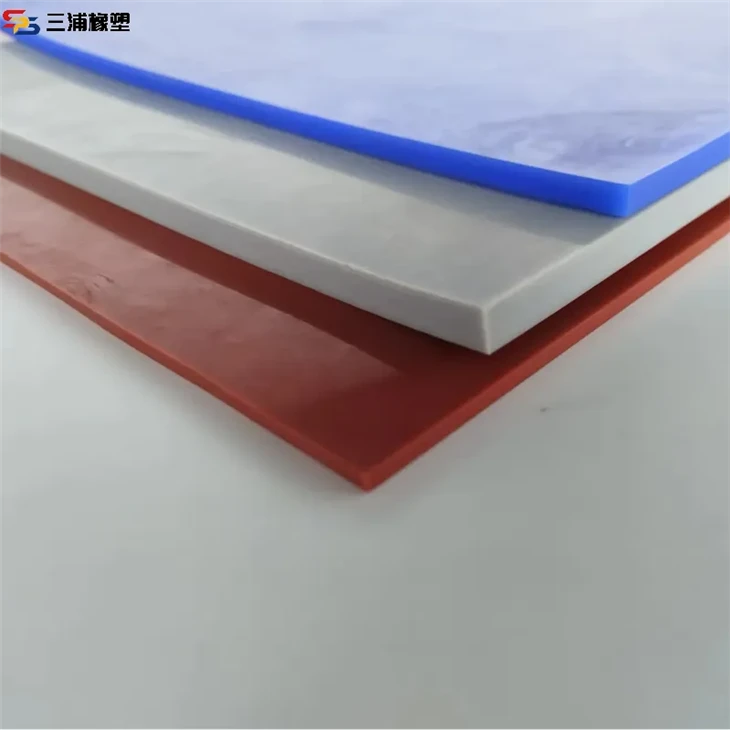
- Chemical Resistance: Be aware of the chemicals that the silicone sheet may come into contact with in its application. Silicone has good chemical resistance to many substances, but it can be affected by some solvents, acids, and alkalis. If the sheet is likely to be exposed to chemicals, choose a silicone material with appropriate chemical resistance. For example, in a chemical processing plant, a silicone sheet with high - chemical - resistance properties should be selected.
- Abrasion Protection: In applications where the sheet is subject to abrasion, such as in machinery with moving parts, use protective covers or guards. These can be made of materials such as plastic or metal. Additionally, ensure that any parts that come into contact with the silicone sheet are smooth and free of sharp edges.
5. Avoiding Overloading
Insulating silicone sheets have specific performance limits, and overloading them can significantly reduce their lifespan.
- Electrical Overloading: In electrical applications, do not exceed the rated voltage and current of the silicone sheet. Overloading can cause the sheet to heat up, which can lead to thermal degradation. Make sure to follow the manufacturer's specifications when using the sheet in electrical circuits.
- Mechanical Overloading: Similarly, in mechanical applications, do not subject the sheet to excessive pressure or stress. If the sheet is used as a gasket, for example, ensure that the clamping force is within the recommended range. Over - tightening can cause the sheet to deform or tear.
Why Choose Our Insulating Silicone Sheets?
At our company, we offer high - quality Silicone Rubber Sheet that are designed to meet the diverse needs of our customers. Our sheets are manufactured using the latest technology and high - grade raw materials, ensuring excellent performance and durability.
We also provide competitive Silicone Sheets Price. Our team of experts is always ready to assist you in selecting the right product for your specific application. Whether you need a small quantity for a DIY project or a large order for an industrial application, we have the capacity to meet your requirements.
If you are interested in our Silicone Rubber Sheets For Sale, please feel free to contact us for more information and to start a procurement negotiation. We are committed to providing you with the best products and services to help you achieve your goals.
References
- Smith, J. (2020). "Silicone Materials: Properties and Applications." Rubber Technology Journal, 45(2), 123 - 135.
- Jones, A. (2019). "Insulating Materials in Electrical Engineering." Electrical Engineering Review, 32(3), 78 - 85.
- Brown, C. (2021). "Storage and Maintenance of Rubber Products." Rubber Industry Magazine, 50(1), 45 - 52.