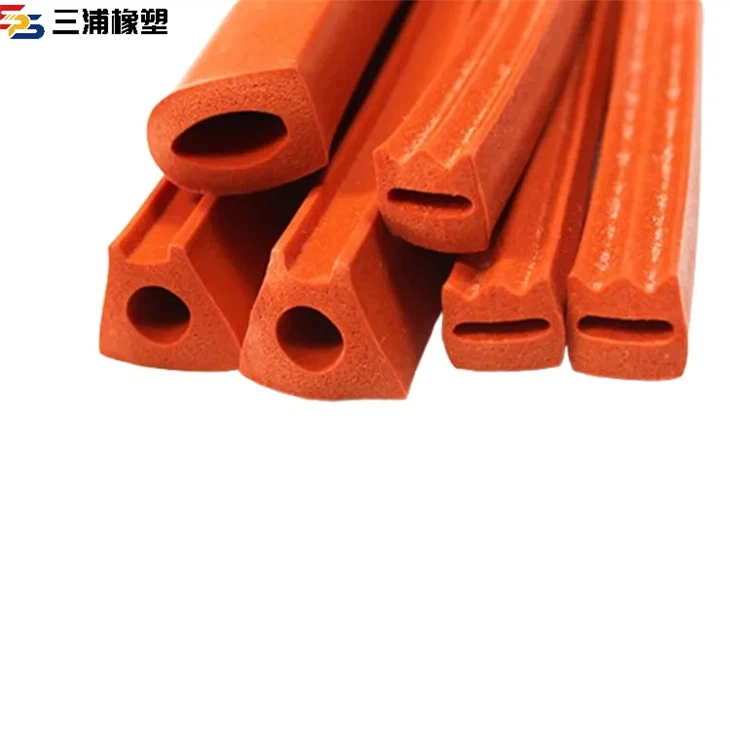
Accurately cutting a silicone sponge tube is a critical process that demands precision and the right techniques, especially when catering to various industrial and commercial needs. As a leading supplier of silicone sponge tubes, I understand the importance of this task and am here to share insights on how to achieve accurate cuts.
Understanding Silicone Sponge Tubes
Silicone sponge tubes are versatile products known for their excellent elasticity, weather resistance, and thermal insulation properties. They find applications in a wide range of industries, including automotive, aerospace, electronics, and construction. These tubes come in different sizes, densities, and hardness levels, which can influence the cutting process.
Tools Required for Cutting
Before you start cutting, it's essential to gather the right tools. Here are some commonly used tools for cutting silicone sponge tubes:
- Sharp Utility Knife: A sharp utility knife is a basic and effective tool for cutting silicone sponge tubes. Make sure the blade is new and sharp to ensure a clean cut.
- Scissors: For smaller tubes or more delicate cuts, sharp scissors can be a good option. Choose scissors with a fine tip for better control.
- Band Saw: If you need to cut a large number of tubes or make precise cuts, a band saw can be a valuable tool. Adjust the blade speed and tension according to the tube's thickness and density.
- Laser Cutter: Laser cutters offer high precision and can be used for complex shapes and patterns. However, they are more expensive and require specialized training to operate.
Preparation Steps
- Measure and Mark: Use a measuring tape or ruler to measure the length of the tube you need to cut. Mark the cutting point clearly with a pencil or a marker. Make sure the mark is straight and accurate.
- Secure the Tube: To prevent the tube from moving during cutting, secure it firmly in place. You can use clamps or a vise to hold the tube steady.
- Wear Protective Gear: Cutting silicone sponge tubes can generate dust and debris, so it's important to wear protective gear such as safety glasses, gloves, and a dust mask.
Cutting Techniques
- Straight Cuts: For straight cuts, use a sharp utility knife or scissors. Place the blade at the marked cutting point and apply gentle pressure. Slowly and steadily cut through the tube, keeping the blade perpendicular to the tube's surface. If using a band saw, adjust the blade to the appropriate angle and feed the tube through the saw at a consistent speed.
- Angled Cuts: To make angled cuts, you can use a miter box or a protractor to mark the angle on the tube. Then, use a sharp utility knife or a band saw to cut along the marked line. Make sure to hold the tube firmly and keep the blade at the correct angle.
- Curved Cuts: For curved cuts, you can use a template or a pattern to guide your cutting. Place the template on the tube and trace the curve with a pencil or a marker. Then, use a sharp utility knife or scissors to cut along the traced line. If using a laser cutter, you can import the curve design into the software and let the machine do the cutting.
Tips for Accurate Cuts
- Use a Sharp Blade: A dull blade can cause uneven cuts and damage the tube. Make sure to use a sharp blade and replace it regularly.
- Cut Slowly and Steadily: Rushing the cutting process can lead to inaccurate cuts and damage the tube. Take your time and cut slowly and steadily.
- Check the Cut: After cutting, check the cut edge to make sure it is smooth and straight. If necessary, use a sandpaper or a file to smooth the edge.
- Test the Fit: Before using the cut tube, test its fit to make sure it meets your requirements. If the tube is too long or too short, you can make adjustments by cutting it again.
Troubleshooting
- Uneven Cuts: If you notice uneven cuts, it could be due to a dull blade, improper cutting technique, or the tube moving during cutting. Check the blade and replace it if necessary. Make sure to use the correct cutting technique and secure the tube firmly in place.
- Frayed Edges: Frayed edges can occur if the blade is too dull or if the tube is not cut cleanly. Use a sharp blade and make sure to cut through the tube in one smooth motion. If the edges are still frayed, you can use a heat gun or a flame to seal the edges.
- Difficulty Cutting: If you are having difficulty cutting the tube, it could be due to the tube's density or hardness. Try using a different cutting tool or adjusting the blade speed and tension. You can also try heating the tube slightly to make it more pliable.
Conclusion
Cutting a silicone sponge tube accurately requires the right tools, preparation, and techniques. By following the tips and guidelines outlined in this blog, you can achieve precise cuts and ensure the quality of your finished products. As a silicone sponge tube supplier, we offer a wide range of products and services to meet your specific needs. If you have any questions or need further assistance, please feel free to contact us. We look forward to working with you!
References
- "Silicone Sponge Tubes: Properties and Applications" - Journal of Materials Science
- "Cutting Techniques for Rubber and Plastic Materials" - Industrial Manufacturing Magazine
- "Safety Guidelines for Working with Silicone Products" - Occupational Safety and Health Administration (OSHA)
Remember to replace the email address in the conclusion with the actual contact email of your company if you have one. Also, make sure to check the relevance and accuracy of the references before using them.