

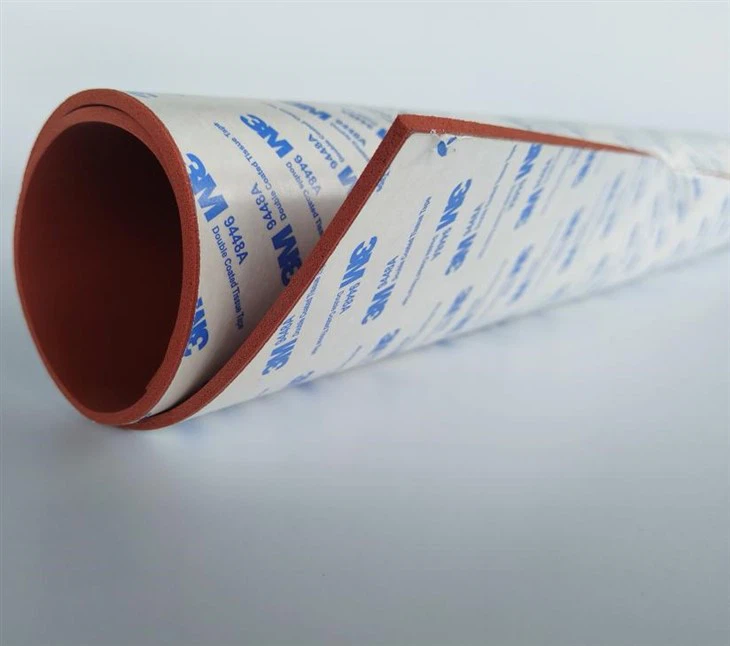
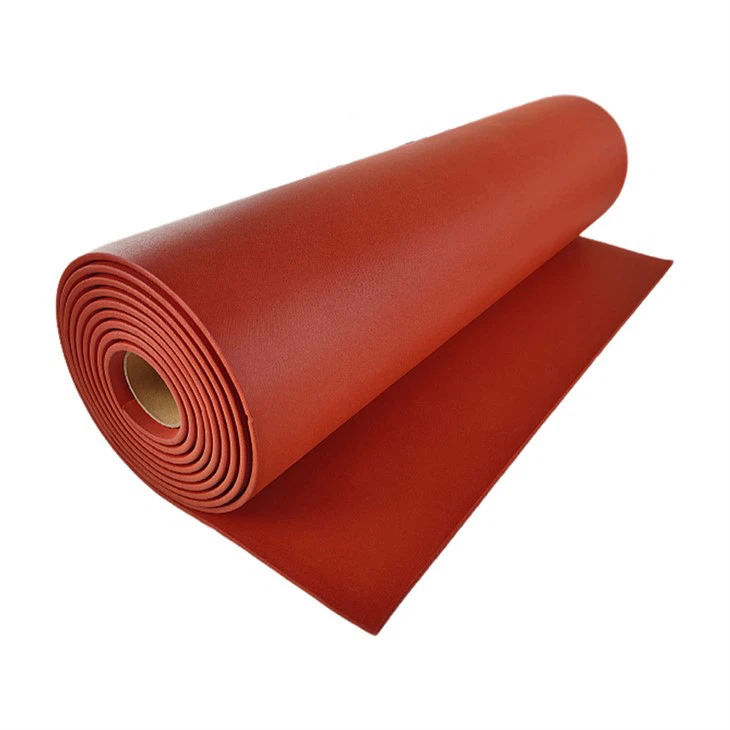
Hey there! As a supplier of medium silicone sponge, I've gotten tons of questions from customers about how to cut this stuff without it fraying. It's a common headache, but don't worry – I'm here to share some tips and tricks that I've picked up over the years.
First off, let's talk about why fraying happens in the first place. Medium silicone sponge is a soft and porous material, which means it can easily tear or pull apart when you try to cut it. This is especially true if you're using the wrong tools or techniques. So, the key to cutting silicone sponge without fraying is to use the right equipment and approach.
Choosing the Right Tools
The first step in cutting medium silicone sponge without fraying is to choose the right tools. Here are some options that I recommend:
- Sharp Scissors: A good pair of sharp scissors is a must-have for cutting silicone sponge. Make sure the blades are sharp and clean, as dull blades can cause the sponge to fray. I like to use fabric scissors, as they're designed to cut through soft materials without snagging.
- Utility Knife: A utility knife is another great option for cutting silicone sponge. Look for a knife with a sharp, replaceable blade, and make sure to use a cutting mat to protect your work surface. When using a utility knife, make sure to apply even pressure and cut slowly and steadily to avoid fraying.
- Hot Knife: A hot knife is a specialized tool that uses heat to cut through silicone sponge. This can be a great option for cutting thick or dense sponge, as the heat helps to seal the edges and prevent fraying. However, hot knives can be dangerous to use, so make sure to follow the manufacturer's instructions carefully.
Preparing the Silicone Sponge
Before you start cutting the silicone sponge, it's important to prepare it properly. Here are some tips to help you get the best results:
- Clean the Surface: Make sure the surface of the silicone sponge is clean and free of any dirt, dust, or debris. This will help the cutting tool to glide smoothly through the sponge and prevent fraying.
- Mark the Cutting Line: Use a ruler or straight edge to mark the cutting line on the silicone sponge. This will help you to cut straight and accurately, and prevent the sponge from fraying.
- Secure the Sponge: If the silicone sponge is thin or flexible, it may be helpful to secure it to a cutting mat or work surface using tape or clamps. This will prevent the sponge from moving around while you're cutting, and help you to get a clean, straight cut.
Cutting Techniques
Once you've chosen the right tools and prepared the silicone sponge, it's time to start cutting. Here are some techniques that I recommend:
- Cut Slowly and Steadily: When cutting silicone sponge, it's important to cut slowly and steadily. This will help you to maintain control of the cutting tool and prevent the sponge from fraying. Avoid rushing or applying too much pressure, as this can cause the sponge to tear or pull apart.
- Use a Sawing Motion: If you're using scissors or a utility knife, try using a sawing motion to cut through the silicone sponge. This can help to prevent the sponge from fraying, as it allows the cutting tool to glide smoothly through the material.
- Cut in a Straight Line: Make sure to cut in a straight line, following the marked cutting line as closely as possible. This will help you to get a clean, straight cut and prevent the sponge from fraying.
- Seal the Edges: If you're using a hot knife or a laser cutter, the heat will automatically seal the edges of the silicone sponge and prevent fraying. If you're using scissors or a utility knife, you can seal the edges by applying a small amount of silicone adhesive or sealant to the cut edges. This will help to prevent the sponge from fraying and make the edges more durable.
Additional Tips
Here are some additional tips to help you cut medium silicone sponge without fraying:
- Use a Cutting Mat: A cutting mat is a great tool to use when cutting silicone sponge, as it provides a smooth, flat surface to cut on and helps to protect your work surface. Make sure to choose a cutting mat that's large enough to accommodate the size of the sponge you're cutting.
- Keep the Tools Clean: Make sure to keep your cutting tools clean and sharp, as dull or dirty tools can cause the sponge to fray. After each use, wipe the blades clean with a damp cloth and store the tools in a dry place.
- Practice on Scrap Material: If you're new to cutting silicone sponge, it's a good idea to practice on some scrap material first. This will help you to get a feel for the cutting process and develop your skills before you start cutting the actual sponge.
Conclusion
Cutting medium silicone sponge without fraying can be a challenge, but with the right tools, techniques, and preparation, it's definitely possible. By following the tips and tricks outlined in this blog post, you should be able to cut silicone sponge like a pro and get clean, straight cuts every time.
If you're in the market for high-quality medium silicone sponge, be sure to check out our Silicone Rubber Sponge Sheet, 3m Silicone Foam Border, and China Silicone Sponge Gasket. We offer a wide range of silicone sponge products in different sizes, thicknesses, and densities, and we're always happy to help you find the right product for your needs.
If you have any questions or need further assistance, please don't hesitate to contact us. We're here to help you with all your silicone sponge needs!
References
- Personal experience as a medium silicone sponge supplier.
- Industry knowledge and best practices for cutting silicone sponge.