

How to determine the quality of anti static silicone foam?
As a seasoned supplier of anti static silicone foam, I understand the significance of accurately assessing the quality of this versatile material. Anti static silicone foam is widely used in various industries, including electronics, aerospace, and healthcare, where its ability to dissipate static electricity and provide cushioning is crucial. In this blog post, I will share my expertise on how to determine the quality of anti static silicone foam, ensuring that you make informed decisions when selecting the right product for your specific needs.
1. Electrical Conductivity
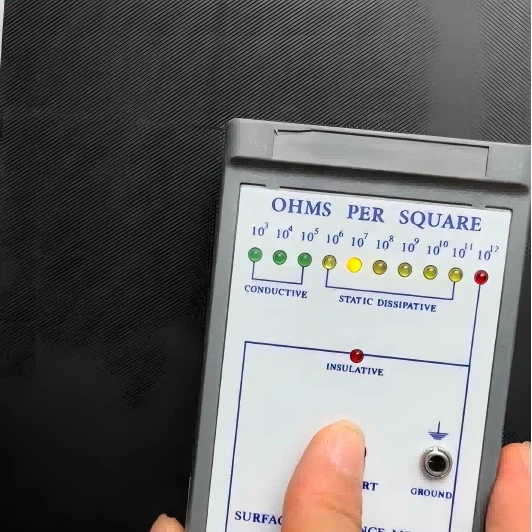
One of the most critical factors in evaluating the quality of anti static silicone foam is its electrical conductivity. The primary function of anti static materials is to dissipate static electricity, preventing it from accumulating and potentially damaging sensitive electronic components. To measure the electrical conductivity of anti static silicone foam, the surface resistance is typically measured. A lower surface resistance indicates better conductivity and more effective static dissipation.
The industry standard for anti static materials usually requires a surface resistance within the range of 10^6 to 10^9 ohms per square. When testing the anti static silicone foam, it is essential to use a reliable surface resistance meter and follow the appropriate testing procedures. Make sure to test multiple points on the foam to ensure consistent conductivity across the material.
2. Density and Compression Set
The density of anti static silicone foam plays a significant role in its performance and durability. Higher-density foam generally offers better mechanical properties, such as increased strength and resistance to compression. When selecting anti static silicone foam, consider the specific application requirements to determine the appropriate density.
Compression set is another important parameter to evaluate. It measures the ability of the foam to return to its original shape after being compressed. A low compression set indicates that the foam will maintain its cushioning properties over time, even under repeated use. To test the compression set, the foam is compressed to a certain percentage of its original thickness for a specified period and then allowed to recover. The remaining deformation is measured and expressed as a percentage.
3. Chemical Resistance
Depending on the application, anti static silicone foam may be exposed to various chemicals, such as solvents, oils, and cleaning agents. Therefore, it is crucial to assess the foam's chemical resistance to ensure its long-term performance. Chemical resistance can be evaluated by subjecting the foam to different chemicals and observing any changes in its physical properties, such as swelling, discoloration, or loss of mechanical strength.
When selecting anti static silicone foam for applications where chemical exposure is expected, choose a material that is specifically formulated to resist the chemicals involved. Some silicone foams are designed to be highly resistant to a wide range of chemicals, making them suitable for use in harsh environments.

4. Flame Retardancy
In many industries, especially those related to electronics and aerospace, flame retardancy is a critical requirement for anti static silicone foam. Flame-retardant foam can help prevent the spread of fire, reducing the risk of damage and injury. To determine the flame retardancy of anti static silicone foam, it is typically tested according to relevant industry standards, such as UL 94.
The UL 94 standard classifies materials based on their flammability and self-extinguishing properties. Common classifications include V-0, V-1, and V-2, with V-0 being the highest level of flame retardancy. When selecting anti static silicone foam, ensure that it meets the appropriate flame-retardancy requirements for your application.
5. Physical Properties
In addition to the above factors, several other physical properties should be considered when evaluating the quality of anti static silicone foam. These include tear strength, elongation at break, and hardness. Tear strength measures the ability of the foam to resist tearing, while elongation at break indicates the maximum amount of stretching the foam can withstand before breaking. Hardness is typically measured using the Shore scale and can affect the feel and performance of the foam in different applications.
A higher tear strength and elongation at break generally indicate better durability and resistance to damage. The appropriate hardness of the foam will depend on the specific application requirements, such as the level of cushioning needed or the pressure it will be subjected to.
6. Appearance and Surface Finish
The appearance and surface finish of anti static silicone foam can also provide insights into its quality. A high-quality foam should have a uniform color and texture, with no visible defects such as bubbles, cracks, or uneven surfaces. The surface finish should be smooth and free of any debris or contaminants.
Inspecting the foam visually can help identify any potential issues that may affect its performance or aesthetics. Additionally, a smooth surface finish can improve the foam's compatibility with other materials and make it easier to clean and maintain.
Our Product Offerings
At our company, we offer a wide range of high-quality anti static silicone foam products, including Silicone Sponge Anti-Static Mat, Anti Static Silicone Foam Sheet, and Silicone Foam Anti-Static Mat. Our products are carefully manufactured to meet the highest industry standards, ensuring excellent electrical conductivity, mechanical properties, and chemical resistance.
We understand that every customer's needs are unique, and we are committed to providing customized solutions to meet your specific requirements. Whether you need anti static silicone foam for a small-scale project or a large industrial application, our team of experts is here to help you select the right product and ensure its optimal performance.
Conclusion
Determining the quality of anti static silicone foam requires a comprehensive evaluation of its electrical conductivity, density, compression set, chemical resistance, flame retardancy, physical properties, and appearance. By considering these factors and selecting a reputable supplier, you can ensure that you are getting a high-quality product that meets your specific needs.
If you are interested in learning more about our anti static silicone foam products or have any questions regarding their quality and suitability for your application, please do not hesitate to contact us. Our team is ready to assist you with your procurement needs and provide you with the best possible solutions.
References
- ASTM D257 - Standard Test Methods for DC Resistance or Conductance of Insulating Materials
- UL 94 - Standard for Tests for Flammability of Plastic Materials for Parts in Devices and Appliances
- ISO 815 - Rubber, vulcanized or thermoplastic — Determination of compression set at ambient, elevated or low temperatures