

As a seasoned supplier of Silicone Sponge Cord, I am frequently asked about its chemical resistance. This question is crucial for industries that rely on materials to withstand harsh chemical environments. In this blog, I will delve into the science behind the chemical resistance of silicone sponge cord, explore its applications in various industries, and share some real - world examples.
Understanding Silicone Sponge Cord
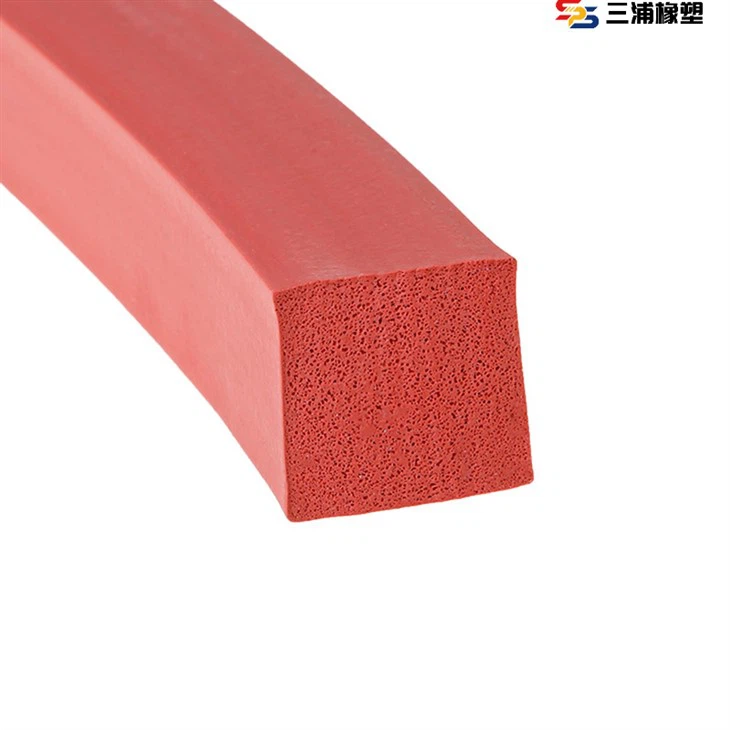
Silicone sponge cord is a versatile material made from silicone rubber. It has a porous structure, which gives it unique properties such as excellent compressibility, flexibility, and insulation. The silicone polymer backbone consists of silicon and oxygen atoms, along with organic side groups. This molecular structure is the key to its chemical resistance.
Chemical Resistance Mechanisms
The chemical resistance of silicone sponge cord can be attributed to several factors. Firstly, the silicon - oxygen (Si - O) bond in the silicone polymer is very strong. With a bond energy of around 452 kJ/mol, it is more stable compared to many other organic polymers. This strong bond makes it difficult for chemicals to break the polymer chains, providing a fundamental level of resistance.
Secondly, the organic side groups on the silicone polymer can be tailored to enhance chemical resistance. For example, methyl groups are commonly used, and they provide a hydrophobic nature to the silicone. This hydrophobicity prevents polar chemicals such as water and many aqueous solutions from penetrating the material easily.
Resistance to Different Chemicals
Acids and Bases
Silicone sponge cord generally shows good resistance to a wide range of acids and bases. Weak acids and bases have little effect on it. For instance, acetic acid, a common weak acid found in vinegar, does not cause significant degradation of silicone sponge cord. However, strong acids and bases can pose a challenge. Concentrated sulfuric acid or sodium hydroxide can react with the silicone under certain conditions, especially at high temperatures. But in normal industrial applications where the concentration and temperature are controlled, silicone sponge cord can still perform well.

Organic Solvents
The resistance to organic solvents varies depending on the type of solvent. Non - polar solvents such as hexane and toluene have a relatively low impact on silicone sponge cord. The hydrophobic nature of the silicone makes it less likely to dissolve or swell in these solvents. On the other hand, polar solvents like acetone and ethanol can cause some swelling of the silicone sponge cord over time. However, this swelling is usually reversible, and the material can regain its original properties once the solvent is removed.
Oils and Greases
Silicone sponge cord is highly resistant to oils and greases. Mineral oils, synthetic oils, and most lubricating greases do not cause significant degradation of the material. This property makes it an ideal choice for applications in the automotive and machinery industries, where it can be used as gaskets or seals to prevent oil leakage.
Applications in Chemical - Exposed Environments
Automotive Industry
In the automotive sector, silicone sponge cord is used in various applications where it may come into contact with chemicals. For example, it can be used as a sealant around sunroofs. The Sealed Extruded Silicone Sponge For Sunroofs is designed to withstand exposure to automotive fluids such as coolant, brake fluid, and windshield washer fluid. These fluids often contain chemicals that could potentially damage other materials, but silicone sponge cord provides reliable sealing and protection.
Chemical Processing Plants
In chemical processing plants, silicone sponge cord is used for gasketing and sealing in pipes, valves, and tanks. It can resist a variety of chemicals used in the production process, such as acids, alkalis, and solvents. The Closed Cell Silicone Sponge Extruded is particularly suitable for these applications because its closed - cell structure provides an additional barrier against chemical penetration.
Food and Beverage Industry
Silicone sponge cord is also used in the food and beverage industry. It is resistant to many food - grade chemicals, such as acids in fruit juices and cleaning agents used for equipment sanitation. This makes it a safe and reliable material for sealing food containers, processing equipment, and beverage dispensers.
Real - World Examples
A chemical manufacturing company was experiencing frequent gasket failures in their acid - handling equipment. They were using traditional rubber gaskets that were quickly degraded by the strong acids. After switching to silicone sponge cord gaskets, they noticed a significant improvement in the equipment's reliability. The silicone sponge cord gaskets were able to withstand the acid environment for a much longer time, reducing maintenance costs and downtime.
In the automotive aftermarket, a car repair shop was having issues with leaking sunroofs. They replaced the old seals with Sealed Extruded Silicone Sponge For Sunroofs. The new seals not only provided a better seal but also resisted the automotive fluids, ensuring that the sunroofs remained leak - free for a long time.
Limitations and Considerations
While silicone sponge cord has excellent chemical resistance, it is not completely immune to all chemicals. Some highly reactive chemicals, such as hydrofluoric acid, can cause severe damage to the silicone. High - temperature and high - pressure conditions can also accelerate the chemical degradation process. Therefore, it is important to carefully evaluate the specific chemical environment and operating conditions before selecting silicone sponge cord for an application.
Conclusion
In conclusion, silicone sponge cord offers a high level of chemical resistance due to its unique molecular structure. It can withstand a wide range of chemicals, including acids, bases, organic solvents, oils, and greases, making it suitable for various industries. However, it is essential to consider the specific chemical environment and operating conditions to ensure its optimal performance.
If you are in need of high - quality silicone sponge cord for your chemical - exposed applications, we are here to help. Our Silicone Sponge Extrusion Products are designed to meet the most demanding requirements. Contact us to discuss your specific needs and start a procurement negotiation.
References
- "Silicone Rubber: Chemistry and Technology" by William J. Brydson
- "Handbook of Elastomers" edited by Abraham Sepe