

Air permeability is a crucial property when it comes to various materials, and silicone sponge tubes are no exception. As a trusted supplier of silicone sponge tubes, I've encountered numerous inquiries about the air permeability of these products. In this blog post, I'll delve into what air permeability means for silicone sponge tubes, its significance, factors affecting it, and how it impacts different applications.
Understanding Air Permeability
Air permeability refers to the ability of a material to allow air to pass through it. In the context of silicone sponge tubes, it describes how easily air can flow through the porous structure of the sponge. This property is typically measured in terms of the volume of air that passes through a unit area of the material in a given time under specific pressure conditions.

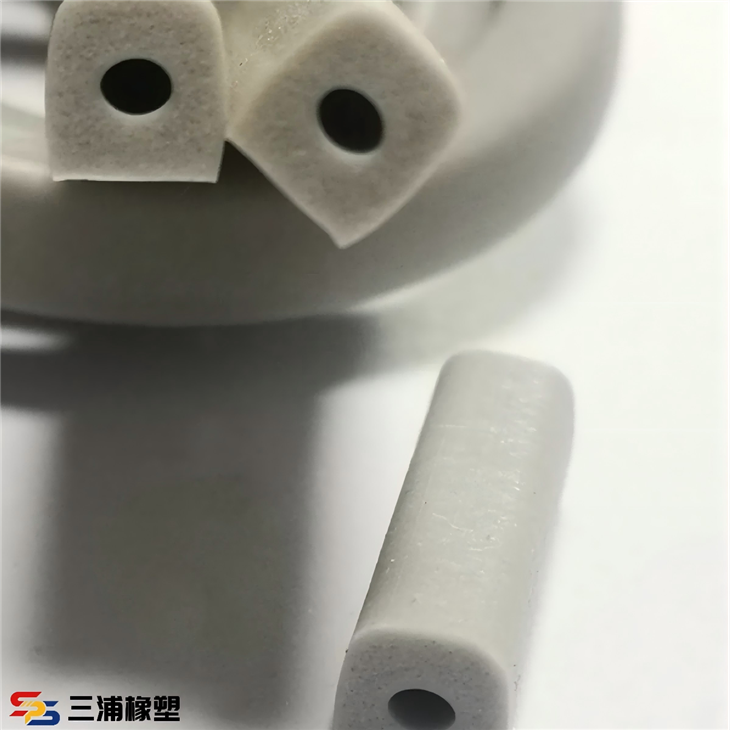
The air permeability of a silicone sponge tube is determined by its internal structure. Silicone sponge is a cellular material, which means it has a network of interconnected pores. These pores act as channels for air to move through the tube. The size, shape, and distribution of these pores play a significant role in determining the air permeability of the material.
Significance of Air Permeability in Silicone Sponge Tubes
The air permeability of silicone sponge tubes has several important implications for their applications.
In sealing applications, a certain level of air permeability might be desirable or undesirable depending on the specific requirements. For example, in some cases where a seal needs to prevent the ingress of air or other gases completely, a low air permeability is essential. On the other hand, in applications where ventilation or breathability is required, a higher air permeability is preferred.
In filtration applications, the air permeability of silicone sponge tubes can affect the efficiency of the filtration process. A tube with the right air permeability can allow air to pass through while trapping particles of a certain size, making it an effective filter medium.
In acoustic applications, air permeability can influence the sound absorption properties of the silicone sponge tube. The movement of air through the pores can help to dissipate sound energy, reducing noise levels.
Factors Affecting Air Permeability
Several factors can affect the air permeability of silicone sponge tubes.
Pore Size and Distribution
As mentioned earlier, the size and distribution of the pores in the silicone sponge are crucial. Larger pores generally allow for greater air flow, resulting in higher air permeability. However, if the pores are too large, it may compromise the structural integrity of the tube or reduce its ability to filter particles. A uniform distribution of pores also promotes consistent air permeability throughout the tube.
Density of the Silicone Sponge
The density of the silicone sponge is inversely related to its air permeability. A lower density sponge has more open space between the silicone matrix, which means there are more channels for air to pass through. Conversely, a higher density sponge has less open space and, therefore, lower air permeability.
Manufacturing Process
The manufacturing process of the silicone sponge tube can also impact its air permeability. Different methods of extrusion, foaming, and curing can result in variations in pore size, shape, and distribution. For example, the use of different foaming agents or curing temperatures can affect the final structure of the sponge and, consequently, its air permeability.
Measuring Air Permeability
There are several methods available for measuring the air permeability of silicone sponge tubes. One common method is the Frazier air permeability test. In this test, a sample of the silicone sponge tube is placed in a test chamber, and air is forced through the sample at a controlled pressure. The volume of air that passes through the sample in a given time is measured, and the air permeability is calculated based on this measurement.
Another method is the Gurley air permeability test, which measures the time it takes for a specific volume of air to pass through a sample under a certain pressure. This test is often used for materials with lower air permeability.
Applications Based on Air Permeability
The air permeability of silicone sponge tubes makes them suitable for a wide range of applications.
Sealing and Gasketing
For applications where a tight seal is required, such as in automotive engines or electronic enclosures, silicone sponge tubes with low air permeability are preferred. These tubes can prevent the leakage of air, water, or other fluids, ensuring the proper functioning of the equipment.
Filtration
Silicone sponge tubes with appropriate air permeability can be used as filters in various industries. They can trap dust, pollen, and other particles while allowing air to flow through, making them ideal for air filtration systems in HVAC units, clean rooms, and industrial equipment.
Ventilation
In applications where ventilation is necessary, such as in building facades or electronic devices, silicone sponge tubes with high air permeability can be used. These tubes can allow fresh air to enter while expelling stale air, improving the overall air quality and reducing the risk of condensation.
Acoustic Insulation
Silicone sponge tubes with the right air permeability can be used for acoustic insulation in buildings, vehicles, and industrial machinery. The movement of air through the pores helps to absorb sound energy, reducing noise levels and creating a more comfortable environment.
Our Silicone Sponge Tube Offerings
As a leading supplier of silicone sponge tubes, we offer a wide range of products with different air permeability characteristics to meet the diverse needs of our customers. Our Silicone Sponge Rubber Extrusions are manufactured using advanced techniques to ensure consistent quality and performance. We also provide China Silicone Foam Sponge Rubber Extrusion products that are known for their excellent air permeability and durability. Additionally, our Silicone Sponge Cord is available in various sizes and densities, allowing you to choose the right product for your specific application.
Conclusion
The air permeability of silicone sponge tubes is a complex but important property that can significantly impact their performance in different applications. By understanding the factors that affect air permeability and how to measure it, you can make informed decisions when selecting the right silicone sponge tube for your needs. Whether you require a tube with high or low air permeability, we have the expertise and products to meet your requirements.
If you're interested in learning more about our silicone sponge tubes or have specific air permeability requirements for your application, please don't hesitate to contact us. We're here to help you find the perfect solution for your project.
References
- ASTM D737 - Standard Test Method for Air Permeability of Textile Fabrics
- ISO 9237 - Textiles -- Determination of the air permeability of fabrics