

In the dynamic landscape of industrial materials, insulating silicone sheets have emerged as indispensable components, serving a multitude of purposes across diverse sectors. As a leading supplier of Insulating Silicone Sheets, I have witnessed firsthand the transformative impact these sheets have on various applications. This blog aims to delve into the purpose of insulating silicone sheets, exploring their unique properties, applications, and benefits.
Understanding Insulating Silicone Sheets
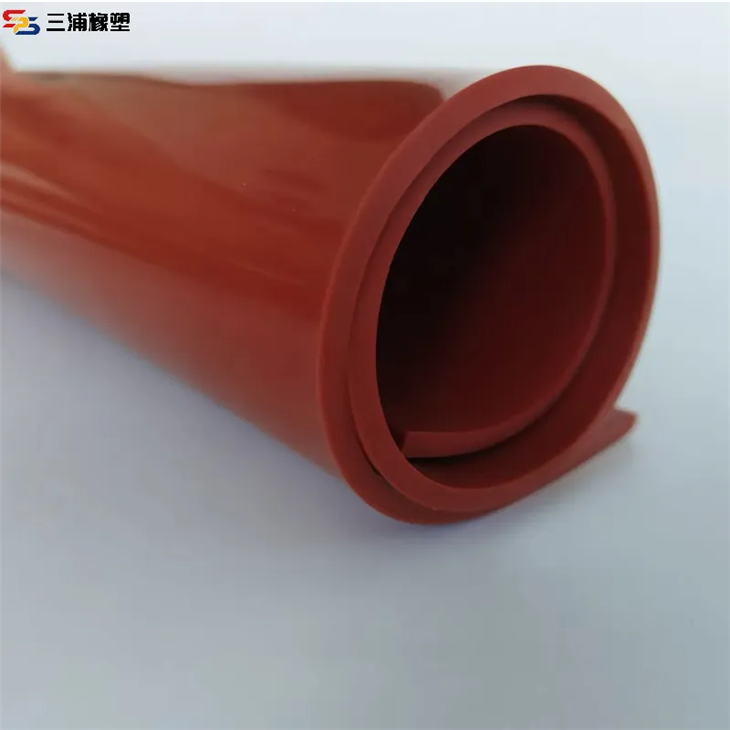
Insulating silicone sheets are made from high-quality silicone rubber, a synthetic elastomer known for its exceptional thermal, electrical, and mechanical properties. These sheets are engineered to provide reliable insulation in a wide range of environments, protecting equipment and personnel from electrical hazards, heat transfer, and mechanical damage.
One of the key features of insulating silicone sheets is their high dielectric strength, which allows them to withstand high voltages without conducting electricity. This property makes them ideal for use in electrical and electronic applications, where they can prevent short circuits, electrical shock, and other electrical failures.
In addition to their electrical insulation properties, insulating silicone sheets also offer excellent thermal insulation. They have a low thermal conductivity, which means they can effectively reduce heat transfer between different components or systems. This makes them suitable for use in applications where temperature control is critical, such as in automotive engines, industrial machinery, and electronic devices.
Applications of Insulating Silicone Sheets
The versatility of insulating silicone sheets makes them suitable for a wide range of applications across various industries. Some of the most common applications include:
Electrical and Electronics
In the electrical and electronics industry, insulating silicone sheets are used to provide electrical insulation for a variety of components, such as circuit boards, transformers, motors, and generators. They can also be used as gaskets, seals, and pads to prevent electrical arcing and short circuits. For example, in a printed circuit board, an insulating silicone sheet can be placed between the components and the board to prevent electrical interference and ensure proper functioning of the circuit.
Automotive
In the automotive industry, insulating silicone sheets are used for thermal insulation in engines, transmissions, and exhaust systems. They can help to reduce heat transfer to other parts of the vehicle, improving fuel efficiency and reducing the risk of overheating. Additionally, they can be used as vibration dampeners and seals to reduce noise and prevent leaks. For instance, an insulating silicone sheet can be used to line the engine compartment to protect other components from the high temperatures generated by the engine.
Industrial Machinery
In industrial machinery, insulating silicone sheets are used to protect equipment from heat, electrical shock, and mechanical damage. They can be used as insulation for motors, pumps, compressors, and other machinery components. They can also be used as gaskets and seals to prevent leaks and ensure proper functioning of the equipment. For example, in a hydraulic system, an insulating silicone sheet can be used as a gasket to prevent fluid leakage and maintain the pressure in the system.
Food and Beverage
In the food and beverage industry, insulating silicone sheets are used for their non-toxic and food-grade properties. They can be used as gaskets, seals, and conveyor belts in food processing equipment. They are also used for thermal insulation in ovens, refrigerators, and other food storage and processing equipment. For instance, an insulating silicone sheet can be used as a gasket in a food oven to prevent heat loss and ensure uniform cooking.
Medical
In the medical industry, insulating silicone sheets are used for their biocompatibility and non-toxic properties. They can be used as gaskets, seals, and insulation in medical devices, such as MRI machines, X-ray machines, and surgical instruments. They are also used for thermal insulation in incubators and other medical equipment. For example, an insulating silicone sheet can be used as a gasket in a medical incubator to maintain a stable temperature for the patient.
Benefits of Insulating Silicone Sheets
There are several benefits to using insulating silicone sheets in various applications. Some of the key benefits include:
High Temperature Resistance
Silicone rubber has a high temperature resistance, which means it can withstand extreme temperatures without losing its properties. This makes insulating silicone sheets suitable for use in high-temperature applications, such as in automotive engines and industrial furnaces.
Chemical Resistance
Silicone rubber is resistant to a wide range of chemicals, including acids, bases, solvents, and oils. This makes insulating silicone sheets suitable for use in applications where they may come into contact with chemicals, such as in chemical processing plants and laboratories.
Flexibility and Elasticity
Insulating silicone sheets are flexible and elastic, which means they can conform to different shapes and sizes. This makes them easy to install and use in various applications. They can also withstand repeated bending and stretching without cracking or breaking.
Electrical Insulation
As mentioned earlier, insulating silicone sheets have high dielectric strength, which makes them excellent electrical insulators. They can prevent electrical shock and short circuits, ensuring the safety of personnel and equipment.

Thermal Insulation
Insulating silicone sheets have low thermal conductivity, which means they can effectively reduce heat transfer. This makes them suitable for use in applications where temperature control is critical, such as in automotive engines and electronic devices.
Weather Resistance
Silicone rubber is resistant to weathering, ozone, and UV radiation. This makes insulating silicone sheets suitable for use in outdoor applications, such as in solar panels and wind turbines.
Cost Considerations
When considering the use of insulating silicone sheets, cost is an important factor to take into account. The cost of insulating silicone sheets can vary depending on several factors, such as the thickness, size, and quality of the sheet. You can find more information about Silicone Rubber Sheet Cost on our website.
However, it is important to note that the cost of insulating silicone sheets should be weighed against the benefits they provide. In many cases, the use of insulating silicone sheets can result in significant cost savings in the long run by reducing energy consumption, preventing equipment damage, and improving the efficiency of operations.
Where to Buy Insulating Silicone Sheets
If you are in the market for insulating silicone sheets, you can find a wide range of options available for Silicone Rubber Sheets For Sale on our website. We offer high-quality Silicone Rubber Sheet products that are designed to meet the specific needs of various industries.
Our insulating silicone sheets are available in different thicknesses, sizes, and colors to suit your requirements. We also offer custom fabrication services to ensure that you get the exact product you need. Whether you need a small quantity for a specific project or a large quantity for ongoing production, we can provide you with the right solution.
Contact Us for Procurement
If you are interested in purchasing insulating silicone sheets for your business, we encourage you to contact us for a detailed discussion. Our team of experts is available to answer any questions you may have and to help you find the best solution for your specific needs. We can provide you with samples, product specifications, and pricing information to assist you in making an informed decision.
We understand the importance of quality and reliability in your operations, and we are committed to providing you with the highest level of service. Whether you are a small business or a large corporation, we have the expertise and resources to meet your requirements. So, don't hesitate to reach out to us and start a procurement discussion today.
References
- ASTM International. (2023). Standard Test Methods for Rubber Property - Tensile.
- International Electrotechnical Commission (IEC). (2023). Electrical insulating materials - Properties and classification.
- Rubber Manufacturers Association (RMA). (2023). Rubber Industry Standards and Guidelines.