

Silicone sponge is a versatile material that has found its way into numerous industries due to its unique properties. One of the most significant characteristics of silicone sponge is its shock - absorbing performance. In this blog, as a silicone sponge supplier, I will delve into the details of what makes silicone sponge an excellent shock - absorber, its applications, and how different types of silicone sponges vary in their shock - absorbing capabilities.
Understanding the Basics of Silicone Sponge
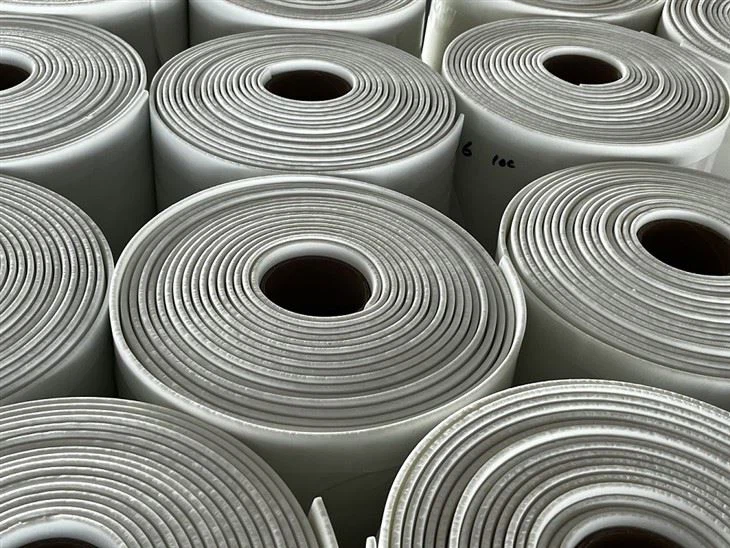
Silicone sponge is a porous material made from silicone rubber. It is created through a process that involves the addition of blowing agents to silicone rubber during the manufacturing process. These blowing agents release gas, creating a network of interconnected pores within the silicone matrix. This porous structure is what gives silicone sponge its unique properties, including its shock - absorbing ability.
The shock - absorbing performance of silicone sponge is primarily due to its ability to deform under stress and then return to its original shape. When a force is applied to the silicone sponge, the pores within the material collapse, absorbing the energy of the impact. Once the force is removed, the sponge rebounds, expelling the absorbed energy and returning to its initial state.
Factors Affecting the Shock - Absorbing Performance of Silicone Sponge
Several factors influence the shock - absorbing performance of silicone sponge. These include density, hardness, and pore structure.
Density
The density of silicone sponge plays a crucial role in its shock - absorbing capabilities. Generally, a higher - density silicone sponge can absorb more energy per unit volume. This is because there is more silicone material present to deform and dissipate the energy of an impact. However, higher - density sponges may also be stiffer and less flexible, which can limit their ability to conform to irregular shapes.

Hardness
Hardness is another important factor. Silicone sponges come in a range of hardness levels, from very soft to very firm. Soft silicone sponges are more flexible and can easily deform under a relatively low force. They are ideal for applications where a gentle shock absorption is required, such as in cushioning for delicate electronic components. On the other hand, firm silicone sponges, like the Firm Silicone Sponge and Exxxtra Firm Silicone Sponge, can withstand higher forces and are suitable for applications where more substantial shock absorption is needed, such as in industrial machinery mounts.
Pore Structure
The pore structure of silicone sponge also affects its shock - absorbing performance. Sponges with a more uniform and smaller pore size tend to have better shock - absorbing properties. Smaller pores provide more surface area for the silicone material to deform, allowing for more efficient energy absorption. Additionally, a uniform pore structure ensures that the energy is distributed evenly throughout the material, preventing localized stress points.
Applications of Silicone Sponge Based on Shock - Absorbing Performance
The excellent shock - absorbing performance of silicone sponge makes it suitable for a wide range of applications across various industries.
Electronics
In the electronics industry, silicone sponge is used to protect sensitive components from shock and vibration. For example, it can be used as a cushioning material inside mobile phones, laptops, and other electronic devices. The Extra Soft Silicone Sponge is particularly well - suited for this application, as it can provide gentle shock absorption without putting excessive pressure on the delicate components.
Automotive
In the automotive industry, silicone sponge is used in various applications, such as engine mounts, suspension bushings, and door seals. Engine mounts made of silicone sponge can absorb the vibrations generated by the engine, reducing noise and improving the overall comfort of the vehicle. The firmness of the silicone sponge can be tailored to meet the specific requirements of different automotive applications.
Industrial
In industrial settings, silicone sponge is used to protect machinery and equipment from shock and vibration. It can be used as a vibration isolator in heavy - duty machinery, preventing damage to the equipment and reducing the transmission of vibrations to the surrounding environment. Firm silicone sponges are commonly used in these applications due to their ability to withstand high forces.
Comparing Different Types of Silicone Sponges for Shock Absorption
As mentioned earlier, different types of silicone sponges have different shock - absorbing capabilities. Let's compare some of the common types:
Extra Soft Silicone Sponge
The extra soft silicone sponge is extremely flexible and can deform easily under a small force. It is ideal for applications where a gentle and delicate shock absorption is required. For example, it can be used in the packaging of fragile items, such as glassware or ceramic products, to prevent damage during transportation.
Firm Silicone Sponge
The firm silicone sponge is stiffer and can withstand higher forces. It is suitable for applications where more substantial shock absorption is needed, such as in the mounting of heavy - duty equipment. The firmness of the silicone sponge allows it to provide stable support while absorbing the energy of impacts.
Exxxtra Firm Silicone Sponge
The exxxtra firm silicone sponge is the stiffest of the three and can handle the highest levels of force. It is often used in industrial applications where extreme shock absorption is required, such as in the construction of large - scale machinery or in the aerospace industry.
Testing the Shock - Absorbing Performance of Silicone Sponge
To ensure the quality and performance of silicone sponge, various testing methods are used. One common method is the drop test, where a weighted object is dropped onto the silicone sponge from a specific height, and the amount of energy absorbed is measured. Another method is the compression test, which measures the force required to compress the silicone sponge to a certain percentage of its original thickness. These tests help to determine the shock - absorbing capabilities of the silicone sponge and ensure that it meets the specific requirements of different applications.
Conclusion
In conclusion, the shock - absorbing performance of silicone sponge is a result of its unique porous structure, which allows it to deform under stress and then return to its original shape. Factors such as density, hardness, and pore structure influence its shock - absorbing capabilities. Different types of silicone sponges, including extra soft, firm, and exxxtra firm, are available to meet the diverse needs of various industries.
Whether you are in the electronics, automotive, or industrial sector, silicone sponge can provide an effective solution for shock absorption. As a silicone sponge supplier, we offer a wide range of silicone sponges with different shock - absorbing properties to meet your specific requirements. If you are interested in learning more about our products or would like to discuss your specific application needs, please feel free to contact us for a procurement discussion.
References
- Smith, J. (2018). "Silicone Rubber: Properties and Applications." Rubber Technology Journal, 45(2), 123 - 135.
- Johnson, A. (2019). "Shock Absorption in Polymers: A Review." Polymer Science Review, 32(3), 210 - 225.
- Brown, C. (2020). "Automotive Applications of Silicone Sponge." Automotive Engineering Magazine, 56(4), 78 - 85.