


In industrial production, aerospace, automotive manufacturing, HVAC systems, and electronic equipment fields, high temperature foam insulation materials play a crucial role in protecting equipment, reducing energy consumption, and ensuring operational safety. This article will introduce the benefits and disadvantages of mainstream high-temperature insulation materials, to help you make the most suitable material selection for your project needs.
Ⅰ. Core Comparison
|
Evaluation Indicators |
Silicone Foam Board |
Rock Wool |
Polyurethane Foam |
Neoprene Foam |
Rubber Foam (NBR/EPDM) |
|
Continuous Operating Temperature |
-50℃ to 220℃, intermittent up to 250℃, special grade up to 500℃ |
Up to 650℃ or higher, but poor flexibility |
Up to 82℃, degrades at high temperature |
Up to 93℃, unable to withstand high heat for a long time |
-50℃ to 120℃, softens and deforms at high temperature |
|
Thermal Insulation Performance (Thermal Conductivity) |
0.06 -0.08W/(m·K), stable at high temperature, excellent heat insulation effect |
0.035-0.045 W/(m·K), good insulation but poor sealing |
0.030-0.040 W/(m·K), degrades at high temperature, reduced insulation performance |
0.040-0.050 W/(m·K), average insulation effect |
0.035-0.040 W/(m·K), insulation performance drops sharply above 100℃ |
|
Flame Retardancy |
V-0 and HB grade, non-combustible, low smoke density (Ds<15), no toxic gas emission |
A1 grade non-combustible, but produces smoke when heated |
B1/B2 grade, flammable, produces toxic gas when burned |
Flame-retardant, but may melt under direct flame |
B1/B2 grade, not fully non-combustible, may carbonize at high temperature |
|
Chemical Stability |
Resistant to oils, solvents, ozone, UV, no corrosion to metals and circuit boards |
Resistant to chemicals, but easy to absorb moisture and agglomerate |
Susceptible to corrosion by oils and solvents, easy to age |
Resistant to oils and chemicals, but poor ozone resistance |
Poor resistance to strong acids and alkalis, easy to degrade in harsh environments |
|
Flexibility & Processability |
High flexibility, good compression resilience (compression set <5% at 100℃ for 22h), easy to cut, punch and install, can fit complex shapes |
Hard and brittle, easy to break, difficult to install on curved surfaces, poor sealing |
Brittle at low temperature, easy to crack, difficult to process into complex shapes |
Good flexibility, but poor compression resilience, easy to deform after long-term use |
Good flexibility, but poor high-temperature resilience, easy to soften and deform |
|
Service Life |
10-15 years, stable performance in harsh environments, low maintenance cost |
5-8 years, easy to absorb moisture and aging, need regular replacement |
3-5 years, easy to degrade at high temperature, short service life |
4-6 years, poor aging resistance, performance declines rapidly outdoors |
5-7 years, susceptible to environmental factors, easy to crack and age |
|
Application Scenarios |
High-temperature equipment, aerospace, automotive engine, electronic components, industrial furnaces, HVAC systems |
Building exterior insulation, industrial kilns, high-temperature pipelines (non-flexible requirements) |
Low-temperature insulation, building interior insulation, ordinary pipelines (no high-temperature environment) |
HVAC systems, industrial gaskets, automotive parts (low-temperature and chemical environments) |
Ordinary pipelines, building insulation, low-temperature sealing (no high-temperature requirements) |
Ⅱ Our Silicone Foam Board: High-Temperature Insulation Expert You Can Trust
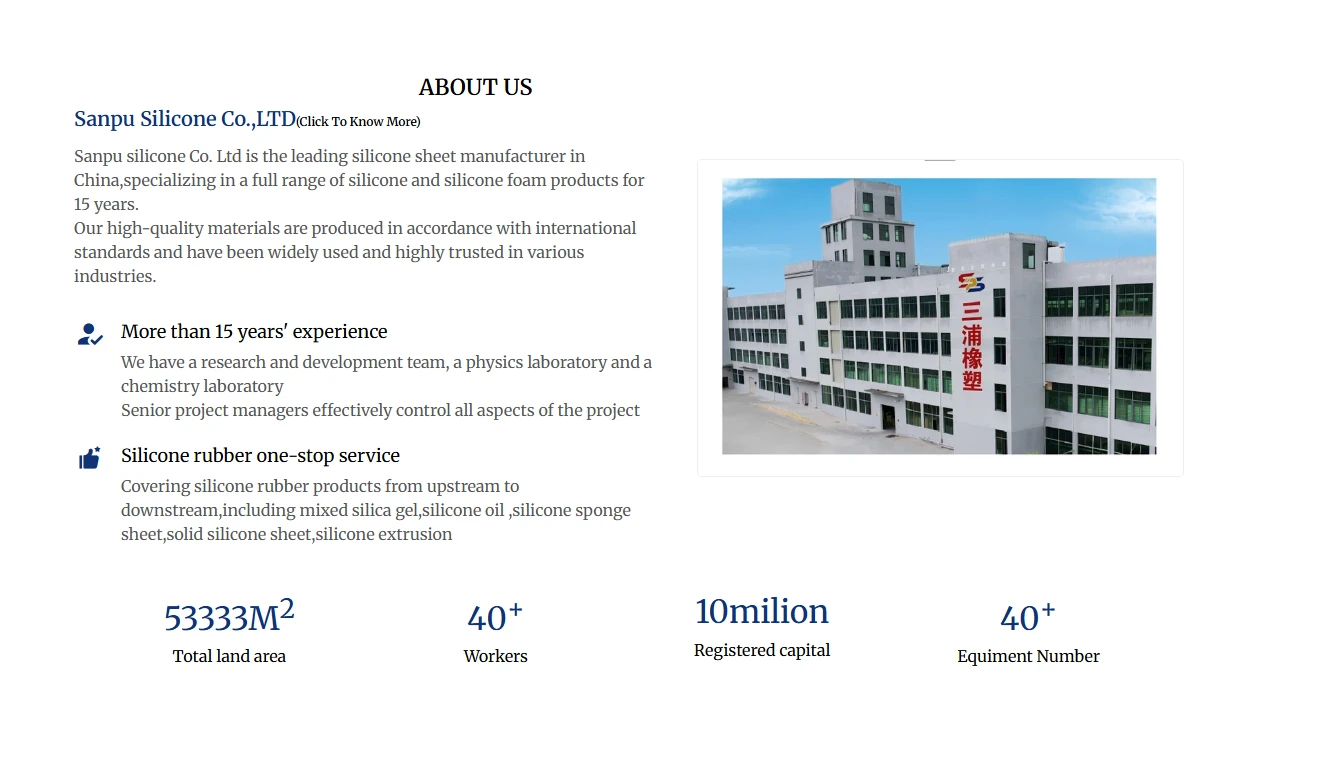
As a professional manufacturer of silicone foam products, we have focused on the R&D, production and sales of high-temperature silicone foam materials for many years. Our silicone foam board is carefully crafted with high-quality raw materials and advanced foaming technology, aiming to provide customers with efficient, safe and durable high-temperature insulation solutions. It has been widely used in aerospace, automotive manufacturing, industrial equipment, electronic components, HVAC systems and other fields, and has won unanimous praise from customers at home and abroad.


Hot Tags: high temperature foam insulation, China high temperature foam insulation manufacturers, suppliers, factory


