

Hey there! As a supplier of silicone profiles, I've seen firsthand how these nifty little things can really up your printing game. So, let's dive into how silicone profiles improve printing quality.
1. Precision and Consistency
One of the key ways silicone profiles boost printing quality is through their ability to provide precision and consistency. In the world of printing, even the slightest deviation can lead to big problems. Whether it's offset printing, screen printing, or digital printing, getting that perfect alignment and consistent pressure is crucial.
Silicone profiles are custom - made to exact specifications. They can be designed in various shapes and sizes to fit different printing presses and applications. For example, if you're using a flat - bed screen printing machine, a silicone profile can be engineered to match the exact dimensions of the printing area. This ensures that the ink is transferred evenly across the substrate every single time.
When it comes to precision, silicone has an amazing property of maintaining its shape under pressure. Unlike some other materials that might deform or wear out quickly, silicone profiles can withstand repeated use without losing their structural integrity. This means that the pressure applied during the printing process remains consistent, resulting in sharp and clear prints. The consistency in pressure also helps in preventing issues like ink smudging or uneven color distribution.
You can check out our Silicone Rubber Profiles to see the wide range of precision - made options we have.
2. Ink Transfer Efficiency
Another important aspect of printing quality is how well the ink is transferred from the printing plate or screen to the substrate. Silicone profiles play a big role here.
Silicone has a unique surface property that allows it to hold and release ink efficiently. When the printing press applies pressure, the silicone profile presses the ink onto the substrate, and its non - stick nature ensures that the ink is transferred cleanly without leaving any behind on the profile itself. This is especially important when printing with different types of inks, including water - based, solvent - based, and UV - curable inks.
For instance, in flexographic printing, where a flexible relief plate is used to transfer ink, silicone profiles can be used as an anilox roll doctor blade. The silicone material can effectively scrape the excess ink from the anilox roll, leaving only the right amount of ink to be transferred to the printing plate. This precise control of ink amount leads to better - defined prints with accurate color reproduction.
Our Silicone Rubber Gasket Profiles are also designed to enhance ink transfer efficiency in various printing setups.
3. Durability and Long - Term Performance
Printing is a high - volume, repetitive process. That means the components used in the printing equipment need to be durable enough to withstand constant wear and tear. Silicone profiles are a great choice in this regard.
Silicone is a highly resilient material. It can resist high temperatures, chemicals, and abrasion. In a printing environment, where the equipment might be exposed to heat from drying processes, different chemicals in the inks, and mechanical friction, silicone profiles hold up well.
For example, in a heat - set web offset printing press, the silicone profiles used in the impression cylinders need to withstand high temperatures during the drying of the ink. The heat - resistant property of silicone ensures that the profiles don't degrade or lose their shape, maintaining the printing quality over a long period.
Moreover, the long - term performance of silicone profiles means less downtime for equipment maintenance and replacement. This not only saves time but also reduces costs associated with frequent part changes.
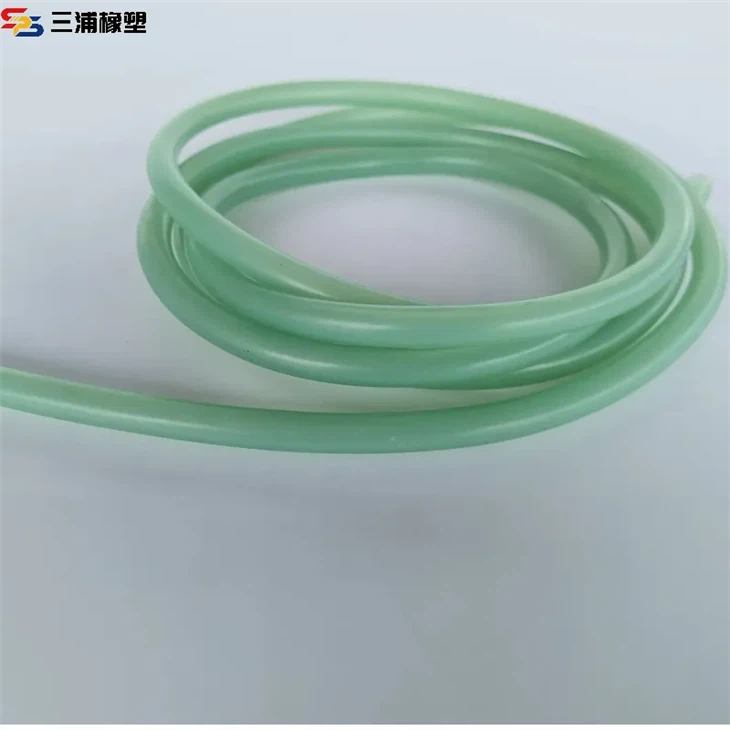

Take a look at our Silicone Profiles & Cords for durable options that can keep your printing operations running smoothly.
4. Adaptability to Different Substrates
Printing is done on a wide variety of substrates, from paper and cardboard to plastic, metal, and fabric. Each substrate has different surface properties, and the printing process needs to be adjusted accordingly. Silicone profiles are highly adaptable to these different substrates.
When printing on a rough - textured substrate like canvas, a silicone profile can be designed to conform to the surface irregularities. The flexibility of silicone allows it to press the ink onto the substrate evenly, ensuring good ink coverage. On the other hand, when printing on a smooth plastic surface, the same silicone profile can provide the necessary pressure without causing any scratches or damage to the substrate.
This adaptability also extends to the different printing pressures required for different substrates. A harder silicone profile might be used for a more rigid substrate, while a softer one can be used for a more delicate material. This ability to customize the silicone profiles according to the substrate helps in achieving optimal printing quality across the board.
5. Noise and Vibration Reduction
In a printing press, noise and vibration can have a negative impact on printing quality. Excessive noise can be a sign of improper functioning, and vibrations can cause misalignment of the printing components, leading to blurry or inconsistent prints.
Silicone profiles can act as shock absorbers and dampeners. They can reduce the noise generated during the operation of the printing press by absorbing and dissipating the vibrations. This creates a more stable printing environment.
For example, in a rotary printing press, silicone profiles can be installed between moving parts to minimize the transmission of vibrations. This results in smoother operation and better - quality prints. The reduced noise also makes the working environment more pleasant for the operators.
Wrapping Up and Connecting
So, there you have it! Silicone profiles are a game - changer when it comes to improving printing quality. They offer precision, better ink transfer, durability, adaptability, and noise reduction.
If you're in the printing industry and looking to take your printing quality to the next level, we'd love to talk to you. Whether you're a small - scale printer or a large - scale printing enterprise, we have the right silicone profiles for your needs. Reach out to us to discuss your specific requirements and let's see how we can help you enhance your printing operations.
References
- "Handbook of Printing Technologies" - Various industry - experts in the printing field
- "Silicone Materials in Industrial Applications" - Research on the use of silicone in different industries