

Hey there! As a supplier of Square Silicone, I often get asked about the hardness of square silicone. So, let's dive right into it and figure out what this whole "hardness" thing is all about.
First off, what do we mean by the hardness of square silicone? Well, hardness in silicone materials is a measure of how resistant the silicone is to indentation or deformation. It's kind of like how you can press your finger into a soft sponge and it leaves a mark, but if you try to do the same to a hard piece of plastic, it won't budge as easily.
Silicone hardness is typically measured using the Shore scale. There are two main types of Shore scales used for rubber and silicone materials: Shore A and Shore D. For square silicone, the Shore A scale is the most commonly used one. The Shore A scale ranges from 0 to 100, where 0 represents a very soft and almost gel - like material, and 100 represents a very hard and rigid one.
Let's talk about some of the different hardness levels and where they're commonly used.
Soft Square Silicone (Shore A 10 - 30)
Soft square silicone is like that super - squishy stress ball you might have on your desk. It's extremely flexible and has a very high degree of elasticity. This type of silicone is great for applications where you need a lot of flexibility and a gentle touch. For example, in medical devices, soft square silicone can be used for things like catheter gaskets. The softness ensures that it won't cause any discomfort to the patient when inserted. It's also used in some types of baby products, like pacifier nipples. The soft texture is safe for the baby's delicate mouth.
Medium - Soft Square Silicone (Shore A 30 - 50)
This is probably the most commonly used range for square silicone. It has a good balance between flexibility and durability. In the automotive industry, medium - soft square silicone is used for door seals. It can easily conform to the shape of the door frame to provide a tight seal against water, dust, and noise. It's also used in the electronics industry for gaskets around electronic enclosures. The medium - soft hardness allows it to protect the sensitive electronics inside from environmental factors while still being able to withstand some handling.
Medium - Hard Square Silicone (Shore A 50 - 70)
When you need a bit more rigidity, but still want some flexibility, medium - hard square silicone is the way to go. In industrial machinery, it can be used for conveyor belt gaskets. The medium - hard hardness can resist the wear and tear caused by the constant movement of the conveyor belt. It's also used in some types of sports equipment. For example, the grips on some tennis rackets might be made of medium - hard square silicone. It provides a good amount of grip without being too soft that it loses its shape during play.
Hard Square Silicone (Shore A 70 - 90)
Hard square silicone is much more rigid and less flexible. It's used in applications where you need a high level of strength and resistance to deformation. In the aerospace industry, hard square silicone can be used for structural components. It can withstand high - pressure environments and extreme temperatures. It's also used in some types of mechanical seals where a tight and long - lasting seal is required.
Now, as a Square Silicone supplier, I know that choosing the right hardness is crucial for your project. That's why we offer a wide range of hardness options for our square silicone products. Whether you need the softest silicone for a delicate application or the hardest for a heavy - duty one, we've got you covered.
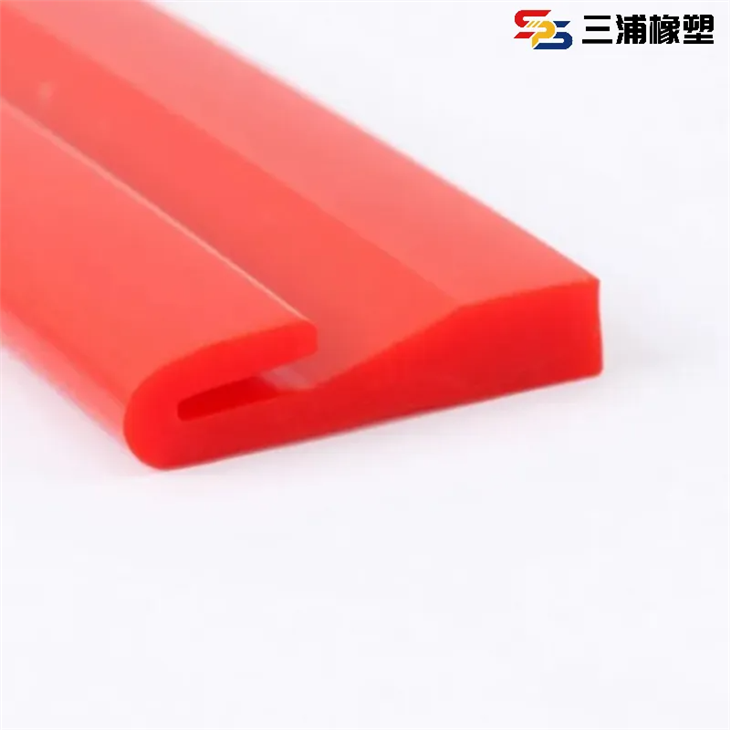
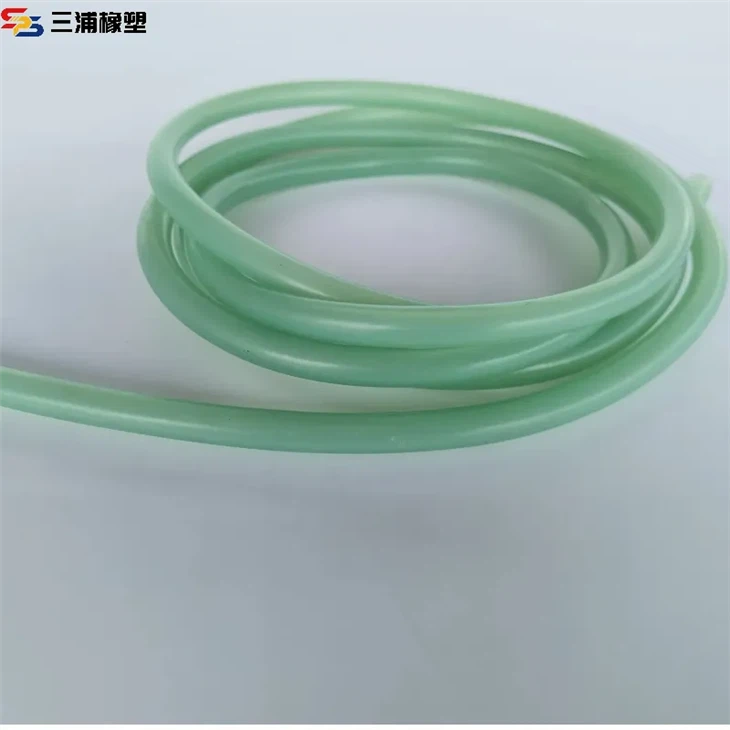
If you're interested in learning more about our Square Silicone products, you can check out our Silicone Extrusion Profiles. Here, you'll find a variety of square silicone profiles with different hardness levels. We're also a Silicone Rubber Profiles Manufacturer, which means we can customize the square silicone to meet your specific requirements. And if you're looking for more options, our Silicone Profiles & Cords page has a lot of useful information.
Factors Affecting Square Silicone Hardness
There are a few factors that can affect the hardness of square silicone. One of the main factors is the type and amount of filler used in the silicone compound. Fillers are materials that are added to the silicone to change its properties. For example, adding silica filler can increase the hardness of the silicone. The more filler you add, the harder the silicone will become.
Another factor is the curing process. The temperature and time during the curing process can have an impact on the final hardness of the square silicone. If the curing temperature is too low or the curing time is too short, the silicone might not fully cure, resulting in a softer material. On the other hand, if the curing temperature is too high or the curing time is too long, the silicone can become brittle and harder than intended.
Testing the Hardness of Square Silicone
Testing the hardness of square silicone is relatively straightforward. The most common method is to use a Shore durometer. A Shore durometer is a small handheld device that measures the hardness of a material by pressing a needle - like indenter into the silicone. The depth of the indentation is then measured, and the hardness value is read from a scale on the durometer.
It's important to test the hardness at multiple points on the square silicone to ensure that the hardness is consistent throughout the material. Inconsistent hardness can lead to problems in the application. For example, if a door seal has different hardness levels in different areas, it might not provide a proper seal.
Why Choose Us as Your Square Silicone Supplier
As a leading supplier of square silicone, we take pride in offering high - quality products. We have a team of experts who are constantly working to improve our manufacturing processes to ensure that our square silicone has the right hardness and other properties. We also offer excellent customer service. If you have any questions about the hardness of our square silicone or need help choosing the right product for your application, our customer service team is always ready to assist you.
If you're in the market for square silicone, whether it's for a small - scale project or a large - scale industrial application, we'd love to hear from you. We can provide you with samples so you can test the hardness and other properties of our square silicone for yourself. Just reach out to us, and we'll start the conversation about how we can meet your square silicone needs.
In conclusion, the hardness of square silicone is an important factor to consider when choosing the right material for your project. Whether you need soft, medium, or hard square silicone, understanding the different hardness levels and their applications can help you make an informed decision. And as your reliable square silicone supplier, we're here to provide you with the best products and support. So, don't hesitate to contact us if you're looking to source high - quality square silicone.
References
- ASTM D2240 - Standard Test Method for Rubber Property - Durometer Hardness
- "Silicone Rubber Technology" by Werner J. Blank
So, if you're interested in discussing your square silicone needs further, just drop us a line. We're eager to work with you and provide the perfect square silicone solution for your project.