

Hey there! As a supplier of anti-static silicone foam, I often get asked about the electrical resistivity of this nifty material. So, I thought I'd sit down and write a blog post to share what I know.
First off, let's talk about what anti-static silicone foam is. It's a type of foam made from silicone rubber that has been treated to have anti-static properties. This means it can prevent the build-up of static electricity, which can be a real pain in a lot of industrial and electronic settings. Static electricity can cause all sorts of problems, like attracting dust and debris, damaging sensitive electronic components, and even causing explosions in certain environments.
Now, onto the main question: what's the electrical resistivity of anti-static silicone foam? Electrical resistivity is a measure of how strongly a material opposes the flow of electric current. It's usually measured in ohm-meters (Ω·m). The lower the resistivity, the better the material conducts electricity; the higher the resistivity, the more it resists the flow of current.

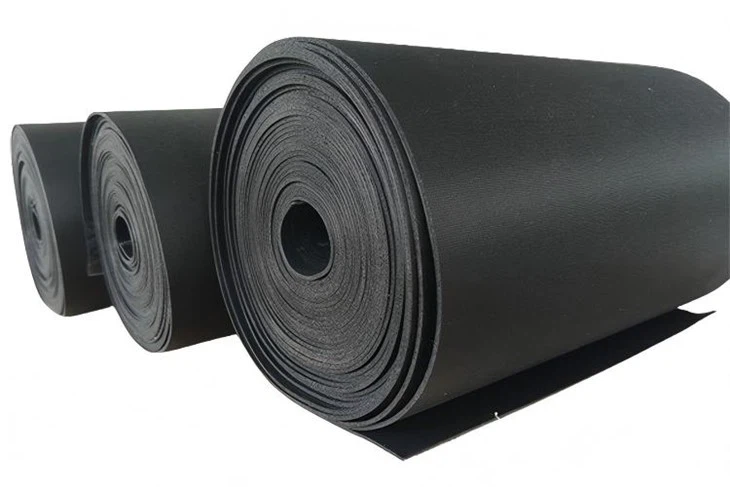
For anti-static silicone foam, the electrical resistivity typically falls within a specific range. Generally, it's designed to have a resistivity between 10^6 and 10^9 ohm-meters. This range is carefully chosen to strike a balance. On one hand, it's high enough to prevent the rapid discharge of static electricity, which could damage sensitive equipment. On the other hand, it's low enough to allow the slow dissipation of static charges, so they don't build up to dangerous levels.
The exact resistivity of anti-static silicone foam can vary depending on a few factors. One of the main factors is the type and amount of anti-static additives used during the manufacturing process. Different additives can have different effects on the foam's electrical properties. For example, some additives might work better at lower temperatures, while others are more effective in high-humidity environments.
Another factor is the density of the foam. Generally, denser foams tend to have lower electrical resistivity because there are more conductive paths within the material. This means that the electric charges can move more easily through the foam. However, the relationship between density and resistivity isn't always straightforward, and other factors like the distribution of the anti-static additives also play a role.
The manufacturing process itself can also impact the electrical resistivity. Things like the mixing speed, temperature, and curing time can all affect how the anti-static additives are incorporated into the foam and how they interact with the silicone rubber matrix.
So, why is knowing the electrical resistivity of anti-static silicone foam so important? Well, in industries where static electricity is a concern, such as electronics manufacturing, semiconductor production, and the aerospace industry, it's crucial to use materials with the right electrical properties. If the resistivity is too low, the foam might conduct electricity too well and could cause short circuits or other electrical problems. If the resistivity is too high, the static charges won't dissipate properly, and you could end up with a build-up of static electricity that could damage your products or pose a safety risk.
As a supplier, we take great care to ensure that our anti-static silicone foam meets the specific electrical resistivity requirements of our customers. We use high-quality anti-static additives and have strict quality control measures in place during the manufacturing process. This way, we can guarantee that our foam will perform as expected in your applications.
Now, let's talk about some of the products we offer. We have a wide range of anti-static silicone foam products, including Industrial Anti-Static Mat, Industrial Anti Static Silicone Foam, and Anti Static Silicone Sponge. Each of these products is designed to have the right electrical resistivity for different applications.
Our industrial anti-static mats are great for workstations and floors in electronic manufacturing facilities. They provide a safe and reliable surface to work on, preventing static electricity from building up and protecting your sensitive equipment. The mats are made from high-quality anti-static silicone foam and are available in different sizes and thicknesses to suit your needs.
The industrial anti-static silicone foam is perfect for use in gaskets, seals, and insulation applications. It can help prevent static discharge in enclosures and protect your electronic components from damage. This foam is also very flexible and has good compression set properties, which means it can maintain its shape and performance over time.
Our anti-static silicone sponge is a lightweight and porous material that's ideal for applications where you need good shock absorption and anti-static properties. It can be used in packaging, padding, and cushioning applications to protect your products during shipping and handling.
If you're in the market for anti-static silicone foam products, I'd love to hear from you. Whether you're looking for a specific electrical resistivity or need help choosing the right product for your application, I'm here to assist you. Just reach out, and we can start a conversation about your requirements.
In conclusion, the electrical resistivity of anti-static silicone foam is an important property that determines its effectiveness in preventing static electricity build-up. By understanding the factors that affect resistivity and choosing the right product for your application, you can ensure that your products and equipment are protected from the harmful effects of static electricity.
References
- "Handbook of Silicone Elastomers" by James T. Lutz
- "Electrical Properties of Polymers" by David W. Schubert