

Hey there! As a supplier of anti static silicone foam, I often get asked about the static charge dissipation rate of this amazing material. So, I thought I'd take a few minutes to break it down for you and explain why it's such an important factor.
First off, let's talk about what anti static silicone foam is. It's a type of foam that's specifically designed to prevent the buildup of static electricity. This is super important in a lot of industries, especially those that deal with sensitive electronic components. Static electricity can cause all sorts of problems, like damaging electronic parts, attracting dust and debris, and even causing explosions in some cases. That's where anti static silicone foam comes in.
Now, the static charge dissipation rate is basically how quickly the foam can get rid of any static charge that builds up on it. It's measured in terms of how long it takes for the charge to drop to a certain level. A faster dissipation rate means that the foam can neutralize static charges more quickly, which is generally better.
There are a few factors that can affect the static charge dissipation rate of anti static silicone foam. One of the biggest factors is the type of conductive additives that are used in the foam. These additives help to create a path for the static charge to flow through the foam and dissipate. Different additives can have different levels of conductivity, which can impact the dissipation rate.
Another factor is the density of the foam. Generally, a denser foam will have a faster dissipation rate because there are more conductive pathways available for the static charge to travel through. However, a denser foam may also be more rigid and less flexible, which could be a drawback depending on your application.
The thickness of the foam can also play a role. Thicker foam may have a slower dissipation rate because the static charge has to travel through more material to reach the conductive additives. On the other hand, a thicker foam may provide more protection against static charges in the first place.
So, why is the static charge dissipation rate so important? Well, if you're using anti static silicone foam in an environment where static electricity is a concern, you want to make sure that the foam can do its job effectively. A slow dissipation rate could mean that static charges build up on the foam and potentially cause problems. For example, in an electronics manufacturing facility, static charges could damage sensitive circuit boards or other components. By using a foam with a fast dissipation rate, you can minimize the risk of these types of issues.
Now, let's talk about some of the products we offer as an anti static silicone foam supplier. We have a wide range of options to suit different needs and applications.
One of our popular products is the Industrial Anti-Static Mat. This mat is great for workstations and other areas where you need to protect against static electricity. It has a high static charge dissipation rate, which means it can quickly neutralize any static charges that come into contact with it. The mat is also durable and easy to clean, making it a practical choice for industrial settings.
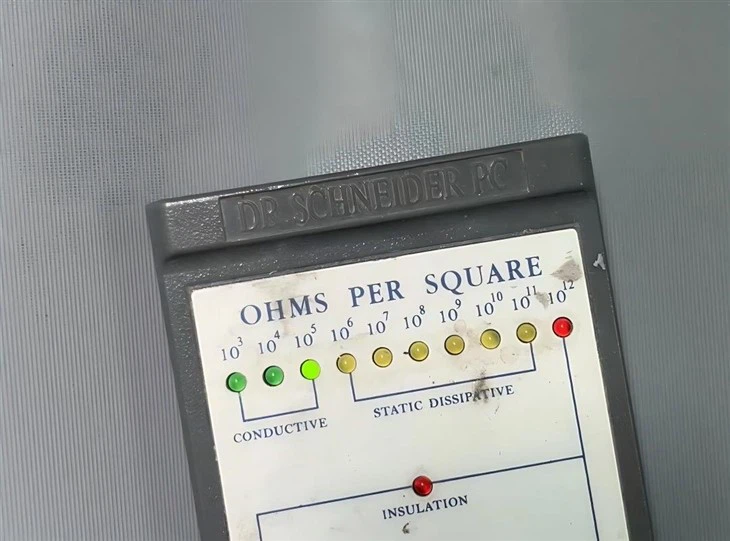
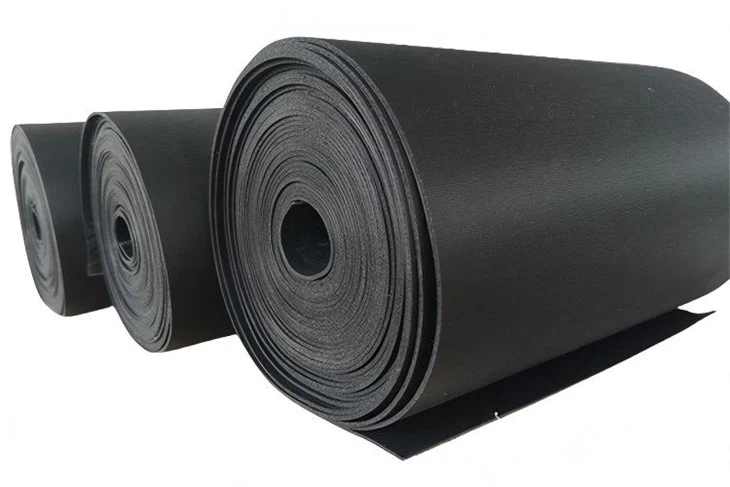
We also offer Industrial Anti Static Silicone Foam. This foam is available in different densities and thicknesses, so you can choose the option that's best for your specific application. It's great for things like gaskets, seals, and insulation in electronic equipment. The foam has excellent static charge dissipation properties, as well as good resistance to heat, chemicals, and moisture.
Another product is the Anti Static Silicone Foam Sheet. These sheets are versatile and can be cut to size to fit your needs. They're often used in packaging for electronic components to provide protection against static charges during shipping and storage. The sheets have a fast static charge dissipation rate, which helps to keep the components safe.
If you're in the market for anti static silicone foam, it's important to choose a supplier that you can trust. We have years of experience in the industry and are committed to providing high-quality products. Our team of experts can help you select the right foam for your application and answer any questions you may have about static charge dissipation rates or other properties.
So, if you're interested in learning more about our anti static silicone foam products or have any questions about static charge dissipation rates, don't hesitate to reach out. We'd be happy to have a chat with you and discuss how we can meet your needs. Whether you're a small business or a large industrial manufacturer, we have the products and expertise to help you keep static electricity under control.
In conclusion, the static charge dissipation rate of anti static silicone foam is a crucial factor to consider when choosing a product. A faster dissipation rate can help to prevent static-related problems and protect your sensitive equipment and components. We offer a range of high-quality anti static silicone foam products that are designed to meet different needs and applications. If you're looking for a reliable supplier, give us a shout and let's start the conversation.
References
- "Static Electricity in the Workplace: Causes, Effects, and Prevention" - Industrial Safety Journal
- "Conductive Polymers and Their Applications in Anti-Static Materials" - Polymer Science Review